
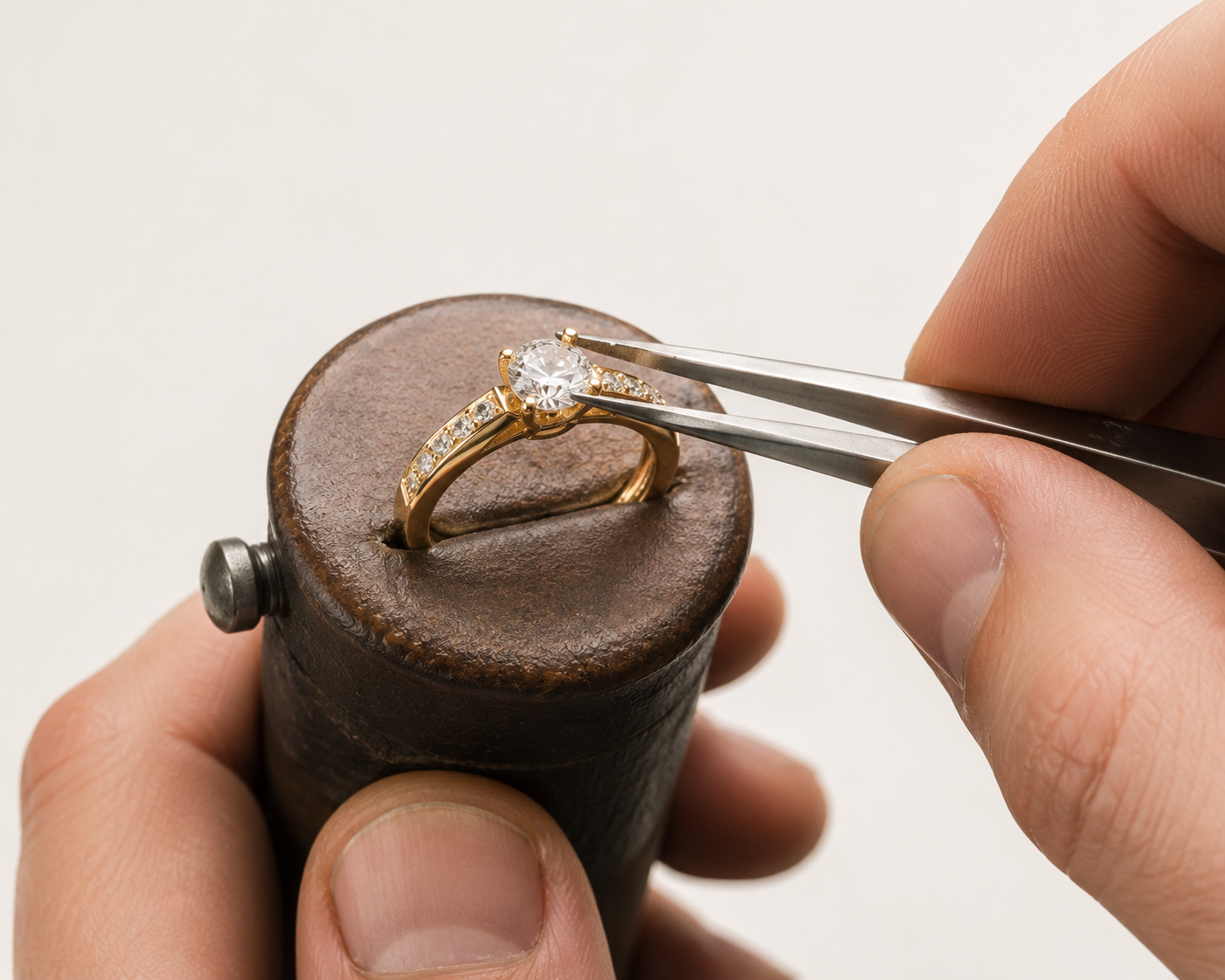
Lab-grown Diamond Guide
Lab-grown diamonds have rapidly gained traction as an affordable, ethically transparent alternative to mined stones. Optically indistinguishable, they deliver the same fire and brilliance at a fraction of the cost. Yet many still perceive them as less precious—a consequence of their artificial origin and abundant supply. This guide clarifies the technical parallels and philosophical differences that define these two very different paths to diamond ownership.
What Are Lab-Grown Diamonds?
Lab-grown diamonds, sometimes called synthetic diamonds, are real diamonds created in controlled laboratory environments rather than deep within the Earth. They share the same physical, chemical, and optical properties as natural diamonds, but their formation process is accelerated using advanced technology.
As production methods continue to improve, lab-grown diamonds have become more widely available and affordable. While many buyers appreciate their accessibility and value, others feel they do not carry the same rarity, history, or emotional significance as natural diamonds formed over billions of years.
How Are Diamonds Created in a Laboratory?
Scientists use two primary methods to grow diamonds in a lab:
Chemical Vapor Deposition (CVD)
The CVD process begins with a small diamond seed placed inside a vacuum chamber filled with carbon-rich gases. These gases are heated to extremely high temperatures, typically between 700°C and 900°C. As the carbon particles break down, they gradually attach to the seed, building layer upon layer until a diamond crystal forms.
You can think of this process as carbon atoms gently settling onto a foundation and growing into a diamond over time.
High Pressure High Temperature (HPHT)
HPHT replicates the natural conditions under which diamonds form beneath the Earth's surface. A diamond seed is exposed to intense pressure and extreme heat, encouraging carbon atoms to crystallize and grow into a larger diamond.
Once growth is complete, the rough diamond is cut, polished, and graded just like a natural stone.
Are Lab-Grown Diamonds Less Expensive?
In most cases, yes. Lab-grown diamonds are significantly more affordable than natural diamonds with similar characteristics. Since they can be produced on demand and in large quantities, they do not have the same scarcity as mined diamonds.
For example, a 1-carat round diamond with G color, VS2 clarity, and an excellent cut may cost around £4,450 if natural, while a comparable lab-grown version could be approximately £1,530.
Although lab-grown diamonds offer excellent value upfront, their long-term resale value tends to decline because supply continues to increase.
Natural vs. Lab-Grown Diamonds
Despite their different origins, lab-grown and natural diamonds are virtually identical in many ways:
- Chemical Composition: Carbon (C)
- Crystal Structure: Cubic
- Refractive Index: 2.42
- Dispersion: 0.044
- Hardness: 10 on the Mohs scale
- Density: 3.52 g/cm³
The main differences lie in their origin, rarity, market value, and environmental impact.
Are Lab-Grown Diamonds More Ethical?
The sustainability of lab-grown diamonds remains a topic of ongoing discussion.
Many consumers assume lab-grown diamonds are automatically more environmentally friendly, but the reality is more complex. Producing diamonds in a laboratory requires substantial amounts of energy, and the environmental impact largely depends on how that energy is generated.
Some studies suggest that lab-grown diamonds can produce higher greenhouse gas emissions than mined diamonds when powered by non-renewable energy sources. However, natural diamond mining also has environmental consequences, including land disturbance and resource extraction.
The true environmental footprint of any diamond depends on factors such as:
- Energy source used
- Manufacturing technology
- Mining or production methods
- Country of origin
Because these variables differ greatly, it is difficult to make broad claims about which option is always more sustainable.
Social Impact Considerations
Natural diamond mining supports millions of jobs worldwide and contributes significantly to the economies of countries such as Botswana. Revenue from diamond mining has helped fund education, healthcare, infrastructure, and economic development.
On the other hand, lab-grown diamonds often provide greater transparency regarding sourcing, labor practices, and supply chains, making it easier for consumers to trace the origin of their stone.
Can You Tell the Difference Between Lab-Grown and Natural Diamonds?
For the average person, distinguishing a lab-grown diamond from a natural diamond is nearly impossible.
Even experienced jewelers often require specialized equipment to identify subtle differences in growth patterns and inclusions. Because of this, the most reliable way to determine a diamond's origin is through an independent grading report.
Organizations such as the Gemological Institute of America (GIA) clearly identify whether a diamond is natural or laboratory-grown, ensuring complete transparency for buyers.
Do the 4Cs Still Matter?
Absolutely.
A lab-grown diamond is not automatically flawless simply because it was created in a laboratory. Like natural diamonds, it can contain inclusions and variations in quality.
When purchasing any diamond, it is important to evaluate the traditional 4Cs:
- Carat Weight
- Color
- Clarity
- Cut
These characteristics directly influence a diamond's appearance, quality, and price, regardless of whether it is natural or lab-grown.
Final Thoughts
Lab-grown diamonds are an excellent choice for buyers seeking the beauty and brilliance of a diamond at a more accessible price. They allow consumers to purchase larger stones and impressive designs without the premium cost associated with natural diamonds.
However, for those who value rarity, geological history, and the emotional significance of owning a gemstone formed billions of years ago, natural diamonds continue to hold a unique appeal.
Ultimately, the right choice comes down to personal priorities. Whether you prefer the affordability of a lab-grown diamond or the timeless rarity of a natural one, understanding the differences will help you make a confident and informed decision.